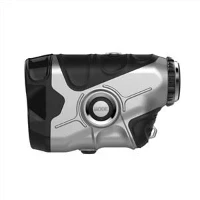
Can I use a golf rangefinder on any golf course?
As a supplier of golf rangefinders, this is a question I'm frequently asked by golf enthusiasts and professionals alike. The answer, unfortunately, isn't as straightforward as a simple yes or no. It depends on a variety of factors, including the rules of the specific golf course, the type of tournament being played, and the local golfing regulations.
Golf Course Rules
The first and most important factor to consider is the individual rules of the golf course you plan to play on. Some courses have a blanket ban on the use of golf rangefinders, while others allow them under certain conditions. These conditions can vary widely, from only permitting rangefinders without slope adjustment on competition days to allowing full - feature rangefinders during casual play.
Many private golf clubs, for instance, may have stricter rules compared to public courses. This is often due to their desire to maintain a traditional and competitive atmosphere. They may view the use of rangefinders as giving an unfair advantage, especially in competitive play. On the other hand, public courses are more likely to be lenient, as they aim to attract a wider range of golfers, including those who are new to the game and may rely on rangefinders to improve their experience.
Before you head out to a course, it's always a good idea to check their website or call the pro shop to inquire about their rangefinder policy. This can save you the disappointment of arriving at the course only to find out you can't use your rangefinder.
Tournament Regulations
If you're planning to participate in a tournament, the rules regarding rangefinders are even more stringent. The governing bodies of golf, such as the United States Golf Association (USGA) and The R&A, have specific regulations regarding the use of distance - measuring devices in competitive play.
In general, rangefinders that measure only distance (without any additional features like slope adjustment) are permitted in most amateur tournaments, as long as the tournament organizer allows them. However, slope - enabled rangefinders, which take into account the elevation changes of the course, are typically banned in all sanctioned tournaments. This is because the slope adjustment can provide an unfair advantage by factoring in how the elevation will affect the ball's flight.
For professional tournaments, the rules are even more strict. The use of any type of rangefinder is usually prohibited to ensure a level playing field for all competitors. So, if you're an aspiring professional golfer, it's important to practice without a rangefinder to get used to estimating distances on your own.
Local Golfing Regulations
In addition to course - specific rules and tournament regulations, local golfing associations may also have their own guidelines regarding the use of rangefinders. These regulations can vary from region to region, so it's essential to be aware of them if you play golf in different areas.
Some local associations may have a more relaxed approach, allowing rangefinders with certain restrictions. Others may follow the USGA or The R&A rules more closely. It's always a good idea to familiarize yourself with the local regulations to avoid any potential penalties.
Types of Golf Rangefinders
Now that we've discussed the rules and regulations, let's take a look at the different types of golf rangefinders available in the market. There are two main types: laser rangefinders and GPS rangefinders.
Laser Rangefinders
Laser rangefinders work by emitting a laser beam that bounces off a target (such as a flagstick) and then calculating the distance based on the time it takes for the beam to return. They are known for their high accuracy and are often preferred by serious golfers. Laser rangefinders can measure distances up to several hundred yards with a high degree of precision.
Some laser rangefinders come with additional features, such as slope adjustment, pin - locking technology, and vibration alerts. The slope adjustment feature, as mentioned earlier, takes into account the elevation changes of the course, which can be very useful for estimating the actual distance the ball needs to travel. Pin - locking technology helps the rangefinder focus on the flagstick, even when there are other objects in the background.
If you're interested in a high - quality laser rangefinder, you can check out our Best Binocular with Rangefinder. It offers high accuracy and a vibration feature to let you know when the measurement is locked.
GPS Rangefinders
GPS rangefinders, on the other hand, use satellite technology to determine your position on the golf course and provide distance information to various points, such as the front, middle, and back of the green. They are generally more affordable than laser rangefinders and are easy to use.
GPS rangefinders are pre - loaded with maps of thousands of golf courses around the world. Some models also come with additional features, such as hazard information and shot tracking. However, they may not be as accurate as laser rangefinders, especially when it comes to measuring the distance to a specific target like a flagstick.
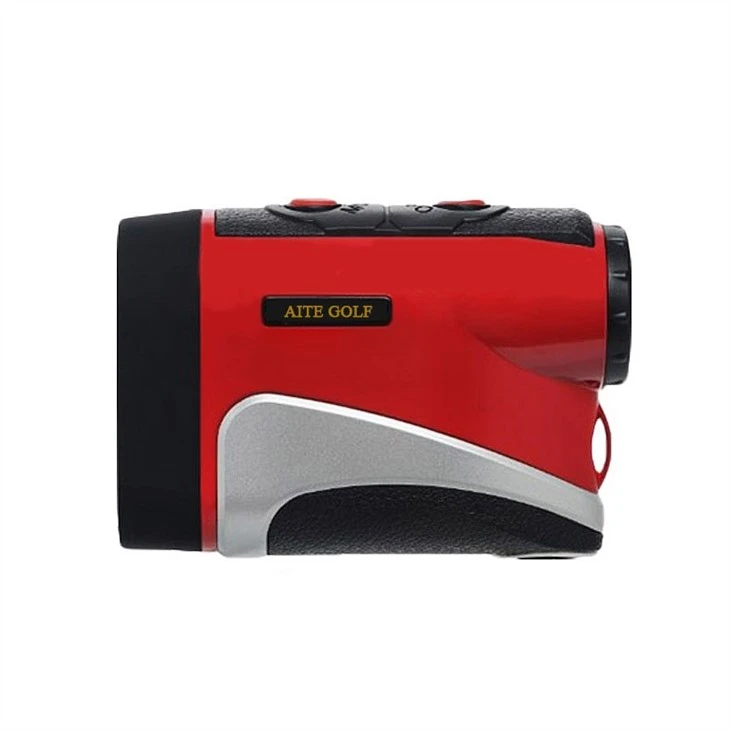
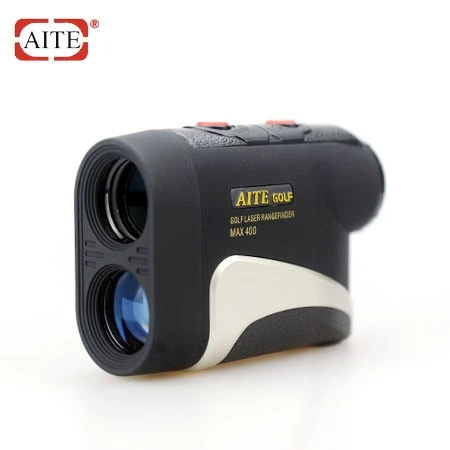
Our Rangefinder Golf is a great option if you're looking for a reliable GPS rangefinder. It offers a long - range measurement and a jolt feature to enhance your user experience.
Benefits of Using a Golf Rangefinder
Regardless of the rules and regulations, there are many benefits to using a golf rangefinder. For beginners, it can help them learn the game more quickly by providing accurate distance information. This allows them to choose the right club for each shot, which can improve their scores and overall enjoyment of the game.
For more experienced golfers, a rangefinder can provide an extra edge. It can help them make more informed decisions on the course, especially when faced with difficult shots or unfamiliar courses. By knowing the exact distance to the target, they can adjust their swing and club selection accordingly.
Our Clear Optic Pin Lock Vibration Golf Rangefinder offers clear optics and pin - locking technology, which can significantly enhance your performance on the course.
Conclusion
In conclusion, while you can't use a golf rangefinder on every golf course, there are still many opportunities to do so. By being aware of the rules and regulations of the specific course, tournament, and local area, you can make an informed decision about whether to use a rangefinder.
If you're in the market for a high - quality golf rangefinder, we are here to help. We offer a wide range of products to suit different needs and budgets. Whether you're a beginner or a professional golfer, we have the perfect rangefinder for you.
If you're interested in learning more about our products or have any questions, please feel free to contact us. We'd be happy to assist you in finding the right golf rangefinder for your next round of golf. Let's work together to improve your golfing experience!
References
- United States Golf Association (USGA). The Rules of Golf.
- The R&A. Rules of Golf.
- Various golf course websites and pro shops for course - specific rules.