Hey there, fellow golf enthusiasts! As a supplier of Pin Seeking Slope Golf Rangefinders, I've had the privilege of diving deep into the world of these nifty devices. Today, I'm stoked to chat about how the design of these rangefinders can seriously impact their usability.


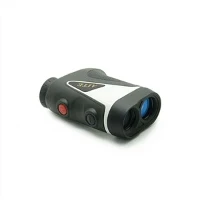
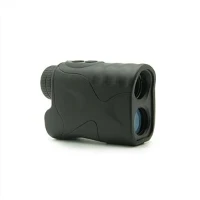
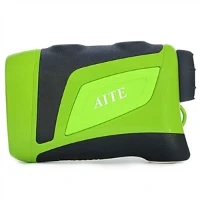
First off, let's talk about the physical design. The shape and size of a Pin Seeking Slope Golf Rangefinder matter big time. You want something that fits comfortably in your hand, right? No one wants to be struggling to hold a bulky or oddly - shaped device out on the course. A well - designed rangefinder will have an ergonomic shape that allows for a natural grip. This means you can quickly and easily aim at your target, whether it's a flagstick or a hazard. For example, our Laser Range - finder Module has been crafted with an ergonomic design in mind. It's just the right size to fit snugly in your hand, so you can focus on getting an accurate reading rather than adjusting your grip constantly.
Another aspect of the physical design is the weight. A rangefinder that's too heavy can be a real pain to carry around the course all day. On the other hand, if it's too light, it might feel flimsy and not very reliable. We've spent a lot of time getting the weight of our rangefinders just right. It's light enough to be comfortable to carry, but heavy enough to feel solid and well - built. This balance ensures that you can use it for an entire round of golf without getting tired of holding it.
Now, let's move on to the display. The display is your window to the information you need on the course. A clear and easy - to - read display is crucial for usability. Our Best Golf Laser Rangefinder 2025 features an OLED display with a red color. This makes it super easy to see the distance readings, even in bright sunlight. You don't have to squint or struggle to make out the numbers. The information is right there, clear as day. And the size of the display also matters. It should be big enough to show all the necessary information, like the distance to the pin, any slope compensation, and other relevant data.
Speaking of slope compensation, this is where the design really comes into play. Slope compensation technology is a game - changer in golf rangefinders. It takes into account the elevation changes on the course and adjusts the distance reading accordingly. Our Slope Compensation Technology High Accuracy Golf Rangefinder is designed to provide highly accurate slope - compensated distance readings. But how does the design affect this? Well, the internal components need to be precisely calibrated to work together seamlessly. The sensors that detect the slope need to be placed in the right spots within the rangefinder to ensure accurate readings. And the software that calculates the slope compensation needs to be well - designed and optimized. All these elements come together to make the slope compensation feature reliable and easy to use.
The buttons on the rangefinder are also an important part of the design. They should be easy to find and press, even when you're wearing gloves. You don't want to be fumbling around trying to figure out which button to press to get the information you need. Our rangefinders have well - placed buttons that are clearly labeled. You can quickly switch between different modes, like slope on/off, or switch between different target acquisition modes. This makes the rangefinder very user - friendly and efficient to use.
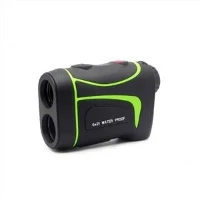
The durability of the design is another key factor. Golf courses can be tough environments. You might accidentally drop your rangefinder, or it could get splashed with water during a sudden rain shower. That's why our rangefinders are designed to be rugged and durable. They're made with high - quality materials that can withstand the wear and tear of the course. They're also water - resistant, so you don't have to worry about a little rain ruining your device.
In terms of battery life, the design plays a role here too. A rangefinder with a poor battery design will leave you stranded on the course with a dead device. Our rangefinders are designed to have long battery lives. The internal power management systems are optimized to use power efficiently, so you can get multiple rounds of golf out of a single charge. And the battery is easy to replace or recharge, so you can quickly get your rangefinder back up and running.
So, as you can see, the design of a Pin Seeking Slope Golf Rangefinder has a huge impact on its usability. From the physical shape and size, to the display, buttons, slope compensation technology, durability, and battery life, every aspect of the design is carefully considered to make the rangefinder as user - friendly and effective as possible.
If you're in the market for a high - quality Pin Seeking Slope Golf Rangefinder, we'd love to chat with you. Whether you're a professional golfer looking for the best performance or an amateur golfer wanting to improve your game, our rangefinders are designed to meet your needs. Feel free to reach out to us to discuss your requirements and start the procurement process. We're here to help you find the perfect rangefinder for your game.
References
- Various industry research on golf rangefinder design and usability
- In - house testing and development data on Pin Seeking Slope Golf Rangefinders