When it comes to hunting, having the right tools can make a huge difference. One of those essential tools is a hunting rangefinder. It helps you accurately measure the distance to your target, which is crucial for a successful shot. But then, you're faced with a choice: monocular or binocular hunting rangefinder? Let's break down the differences between these two types to help you decide which one is the best fit for your hunting needs.
Physical Design and Portability
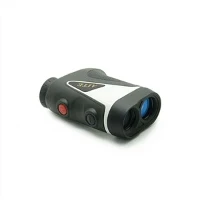
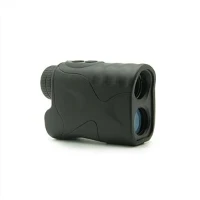
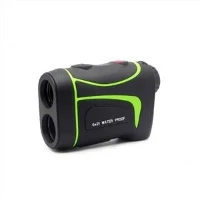
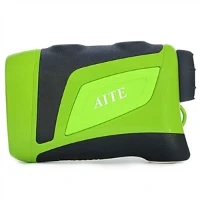
First off, let's talk about how they look and how easy they are to carry around. A monocular hunting rangefinder is, well, just one tube. It's small, lightweight, and super easy to hold in one hand. You can easily slip it into a pocket or attach it to your belt. This makes it a great option if you're on the move a lot, like when you're stalking your prey through thick brush or hiking up a mountain.
On the other hand, a binocular hunting rangefinder has two tubes, just like regular binoculars. It's bulkier and heavier than a monocular. Carrying it around for long periods can get a bit tiring, especially if you're in a hurry. But the upside is that it gives you that familiar binocular - like feel, which some hunters really prefer.
Viewing Experience
The viewing experience is where the differences between monocular and binocular hunting rangefinders become really obvious. With a monocular, you're using one eye to look through the device. This can take a bit of getting used to, especially if you're used to binoculars. However, it can also be an advantage in some situations. For example, you can keep your other eye open to stay aware of your surroundings while you're measuring the distance.
Binocular hunting rangefinders, as the name suggests, let you use both eyes to view the target. This gives you a more immersive and natural viewing experience. It also provides better depth perception, which can be really helpful when you're trying to judge the distance accurately. You'll feel like you're right there, up close to your target.
Accuracy and Precision
Accuracy is key when it comes to hunting rangefinders. Both monocular and binocular rangefinders are designed to give you accurate distance measurements, but there are some differences. Monocular rangefinders are generally very accurate, but they might be a bit more affected by hand - shake. Since you're holding it with one hand, any small movement can cause the image to shift, which could potentially affect the measurement.
Binocular rangefinders, on the other hand, are usually more stable because they're held with both hands. This stability can lead to more precise measurements, especially at longer distances. However, the accuracy also depends on the quality of the rangefinder itself.
Battery Life
Battery life is an important consideration, especially if you're going on a long hunting trip. Monocular hunting rangefinders typically have better battery life. They use less power because they have a simpler design and fewer components. You can expect to get several days or even weeks of use out of a single set of batteries, depending on how often you use it.


Binocular hunting rangefinders, with their more complex electronics and larger displays, tend to use more power. You might need to carry extra batteries with you on a long - term hunting expedition to make sure you don't run out of juice when you need it most.
Price
Price is always a factor when you're making a purchase. Generally, monocular hunting rangefinders are more affordable. They have a simpler design and fewer features, which means they cost less to produce. This makes them a great option if you're on a budget or if you're just starting out with hunting and don't want to spend a fortune on a rangefinder.
Binocular hunting rangefinders are usually more expensive. The additional components, like the dual - tube design and the more advanced electronics, drive up the cost. But if you have the money to spend and you want the best possible viewing experience and accuracy, then a binocular rangefinder might be worth the investment.
Our Hunting Rangefinder Products
As a hunting rangefinder supplier, we offer a wide range of both monocular and binocular hunting rangefinders to meet your needs. For example, our 600Y Clear Optic Speed Hunting Rangefinder is a great monocular option. It's lightweight, easy to carry, and provides clear and accurate distance measurements up to 600 yards.
If you're looking for a binocular hunting rangefinder, our 6 Magnification Angle Hunting Rangefinder is a top - notch choice. With 6x magnification, it gives you a great view of your target and accurate angle - compensated distance readings.
We also have the Unique Deisgn Angle Hunting Rangefinder, which combines a unique design with high - performance features. Whether you prefer a monocular or binocular rangefinder, we've got you covered.
Making the Decision
So, which one should you choose? It really depends on your personal preferences and hunting style. If you're always on the go, need something lightweight, and don't mind using one eye to view, then a monocular hunting rangefinder is probably the way to go. It's also a great option if you're on a tight budget.
But if you want a more immersive viewing experience, better depth perception, and are willing to carry a heavier device, then a binocular hunting rangefinder might be the better choice. It's especially useful for long - range hunting where precision is crucial.
If you're still not sure which one is right for you, feel free to reach out to us. We're here to help you make an informed decision. Whether you're a seasoned hunter or just starting out, we can provide you with the information you need to choose the perfect hunting rangefinder for your next adventure.
If you're interested in purchasing hunting rangefinders in bulk or have any questions about our products, we invite you to contact us for procurement discussions. We're committed to providing high - quality products and excellent customer service.
References
- “Hunting Rangefinder Buyer's Guide.” Outdoor Life.
- “Monocular vs Binocular Rangefinders: Which is Best for Hunting?” Hunting Life Magazine.